Becoming Dr Richard
 Kunbi Osinoiki
Richard was striking to look at - blond, blue eyed, with a mop of curly, unruly hair.
Richard was also mobile - more confident on his feet than the other children in the class - and bigger than many of them. Although he was technially supposed to be in my music class for older children, mum kept him in the younger class due to his speech delay.
I remember mum had to constantly remain at alert, ensuring he did not inadvertently knock the other babies down. Richard enjoyed the classes and seemed to be bubbly and happy. Mum was lovely with him, always smiling, always supportive and helping him to get involved with the activities and relaying those instructions that he may have missed.
On the 30th of July 2025, I got this unexpected message from his mum:
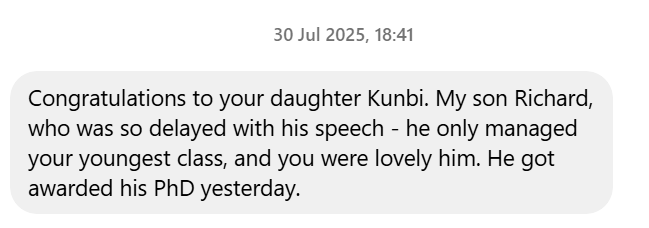
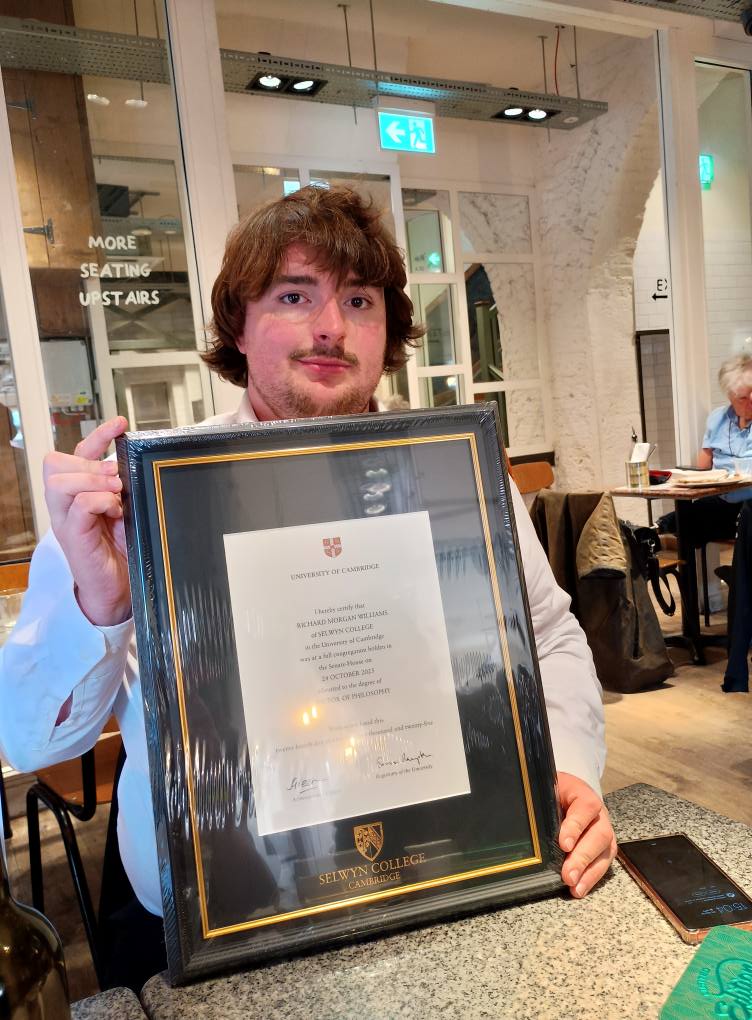
This was such unexpected and wonderful news! I felt like a proud mum! My happy-go-lucky, good natured little boy, who struggled with speech and language was all grown up and getting a PhD - from Cambridge University no less!
In my further conversations with mum, she said:
"Receptive language (undertanding words) and word recall (finding words) were his biggest speech issues. He got a lot from your lessons, but more importantly you accepted him as he was. That was an issue at School too, people couldn't adjust their expectations".
We know from the research that music and language share the same parts of the brain, particularly those areas that process pitch, rhythm, and syntax. Children with receptive language issues often struggle to know where one word stops and another starts. Music makes these boundaries a lot clearer. Rhythm exercises helps train their brains to know when to expect the next syllable, making it easier to decode what is being said.
Children with receptive language issues also struggle to hear the changes in intonation of language. Singing slows down the intonation changes, giving the brain more time to map words to their meanings. Think about when you sing "head shoulders knees and toes" for example... The words are drawn out much longer than speech, making it easier for babies to pick up the relationship between each word being sung and the respective body part.
With regards to word recall, information that is set to a melody is easier to retrieve than spoken information. I remember learning my times tables with a sing-song melody that made it easier for me to remember the sums. Children who are exposed to lots of educational songs will find word recall easier because of the sheer volume of words and repetition through song.
Also, using "anticipation" in songs (e.g., "Old MacDonald had a...") helps to encourage word retrieval. Pausing before the keyword forces the child to "pull" the word from memory to complete the musical phrase.
Finally, music helps strengthen working memory. Children with language issues often have limited working memory — the ability to hold on to a sentence while simultaneously processing its meaning.
Musical training has been shown to increase how much information children can hold in their auditory working memory. This directly improves their ability to follow multi-step directions.
Richar'ds mum understood the power of music to transform Richard's situation and she was resolute in ensuring he got the most of the classes. She would have had to fight his corner in school also but it all paid off in the end.
When I asked her permission to share Richard's remarkable story, her response was:
"Of course, please do. It will reassure parents that they get there in the end".
So, if you know of any parents or educators who have children with speech delay, share Richard's story with them. Music has the power to transform life outcomes and while Richard may not be a musician today, it doesn't in any way diminish the role that music played in shaping his story.
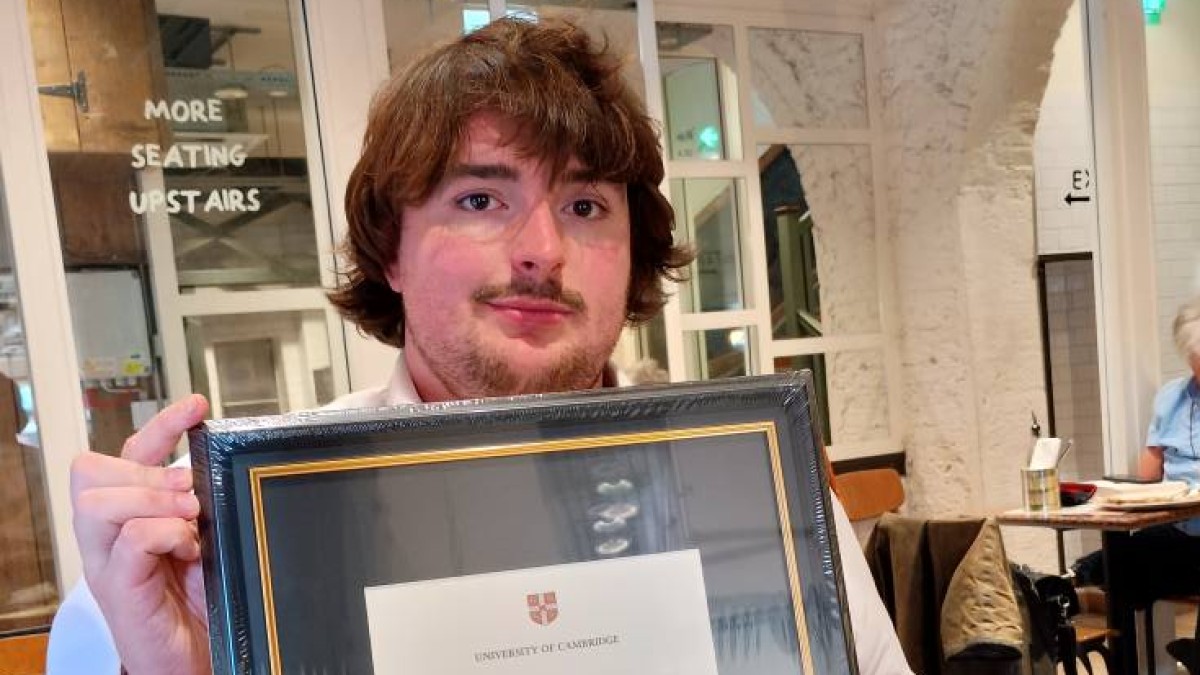
Many congratulations to all the Richards out there whose story will be told one day. And to their parents, teachers and support system who didn't give up on them. I present to you, Dr Richard!
Categories: : Music Mums and Dads