A Guide to Digital Pianos for Beginners
 Kunbi Osinoiki
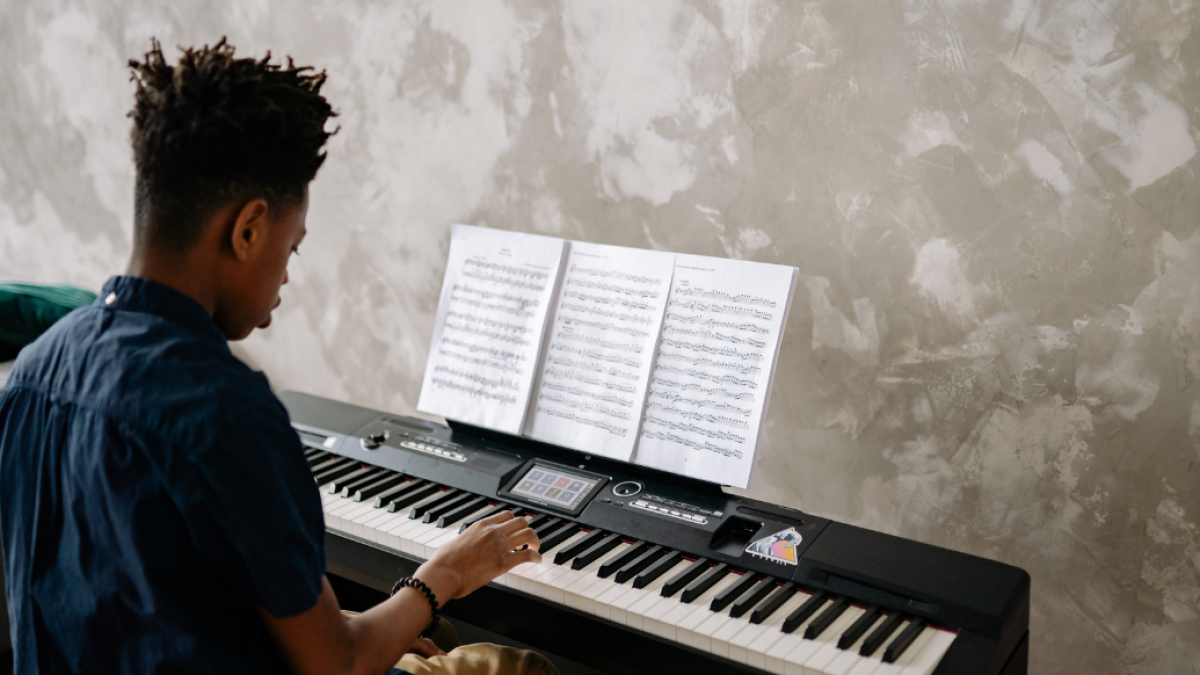
We often get asked to recommend what sort of digitalpianos are suitable for learning.
We often get asked to recommend what sort of digital pianos are suitable for learning. There are so many models on the market and it’s important to understand the key features and pros and cons of each one. Below are just three models out of literally hundreds available. Whichever make or model you choose however, the key features will be similar to those outlined.
Option 1: A Digital Piano With Weighted Keys
Example: Yamaha P-125 - Recommended for all ages and stages of learning
Key Features:
Portable (Approximately 12kg)
88 x full size, weighted keys
Comes with one sustain pedal and a music rest.
Recommended add-ons:
Wooden keyboard stand
Piano bench.
Dust cover or cloth to protect the instrument
Stabiliser or UPS to protect it from current fluctuations
Nice to have
Heavy duty, padded carry bag if intending to travel with it.
Pros
Suitable for all stages of learning and for taking beginner to intermediate international music exams.
Cons
Does not have built-in state of the art technology available in more modern and expensive models
Option 2: A Keyboard with Touch Sensitive Keys
Example: Yamaha PSR-E363- A temporary option for Early Beginners
Key Features:
Portable (approx 5kg)
61 full size, touch sensitive keys,
Comes with a music rest, adapter and stand
Recommended add-ons
Piano bench
Dust cover or cloth to protect the instrument.
Stabiliser or UPS to protect it from current fluctuations.
Foot Pedal.
Option 3: A Keyboard with Non-Touch Sensitive Keys
Example: Yamaha PSR-E363- A temporary option for Early Beginners
Nice to have
Heavy duty, padded carry bag if intending to travel with it.
Pros
Suitable for early beginners. Can run on batteries.
Cons
The limited range means the learner is restricted in the pieces they can play on the instrument.
Does not meet the criteria for many international music exams.
Vendors
Send us a WhatsApp on +2348122212289 for a list of recommended vendors
Categories: : Music Mums and Dads